
The Honda CR-V, introduced in 1997, has evolved through six generations, each enhancing its appeal as a compact crossover SUV. This guide provides an overview of each generation, highlighting key features, pros, cons, and shopping tips to assist potential buyers in making informed decisions.
Key takeaways
- The Honda CR-V has undergone six generations since its 1997 debut, each bringing significant improvements in design, performance, and technology.
- Understanding the evolution of the CR-V can help buyers choose a model that best fits their needs and preferences.
Explore the generations
Choose a generation to jump to its buying guide.
Compare the generations
Use this overview to navigate each generation. Check the detailed guide and vehicle records for specific reliability concerns.
| Generation | Model years | What to review | Guide |
|---|---|---|---|
| First Generation ( | See section | Maintenance history, recalls, known issues | View details → |
| Second Generation ( | See section | Maintenance history, recalls, known issues | View details → |
| Third Generation ( | See section | Maintenance history, recalls, known issues | View details → |
| Fourth Generation ( | See section | Maintenance history, recalls, known issues | View details → |
| Fifth Generation ( | See section | Maintenance history, recalls, known issues | View details → |
| Sixth Generation ( | See section | Maintenance history, recalls, known issues | View details → |
This table is a navigation overview, not a reliability ranking.
First Generation (1997–2001) 1997–2001

Overview
The inaugural CR-V was built on the Honda Civic platform, offering a compact SUV with a 2.0-liter four-cylinder engine producing 126 horsepower. It featured a spacious interior and practical cargo space, including a fold-out picnic table in the rear cargo area. The 1999 model saw an engine upgrade to 146 horsepower.
Engines and key features
2.0-liter four-cylinder engine; 126 hp (1997–1998); 146 hp (1999–2001)
Strengths
Reliable and practical; spacious interior; unique cargo features.
Trade-offs
Basic safety features; limited power compared to later models.
Common issues to investigate
Some models may experience rust; check for signs of corrosion.
Used-car shopping tips
Inspect for rust, especially in older models; verify maintenance records; consider models with the engine upgrade for better performance.
Second Generation (2002–2006) 2002–2006

Overview
The second-gen CR-V introduced a larger 2.4-liter four-cylinder engine with 160 horsepower, enhancing performance. It offered increased interior space and improved safety features, including front side airbags. The 2005 model transitioned to a five-speed automatic transmission, replacing the previous four-speed.
Engines and key features
2.4-liter four-cylinder engine; 160 hp (2002–2004); 185 hp (2005–2006)
Strengths
Improved performance; spacious interior; enhanced safety features.
Trade-offs
Some models may have transmission issues; higher mileage vehicles may show signs of wear.
Common issues to investigate
Potential transmission problems; check for smooth shifting and maintenance history.
Used-car shopping tips
Look for well-maintained vehicles; verify transmission service records; consider models with the higher horsepower engine for better performance.
Third Generation (2007–2011) 2007–2011
Overview
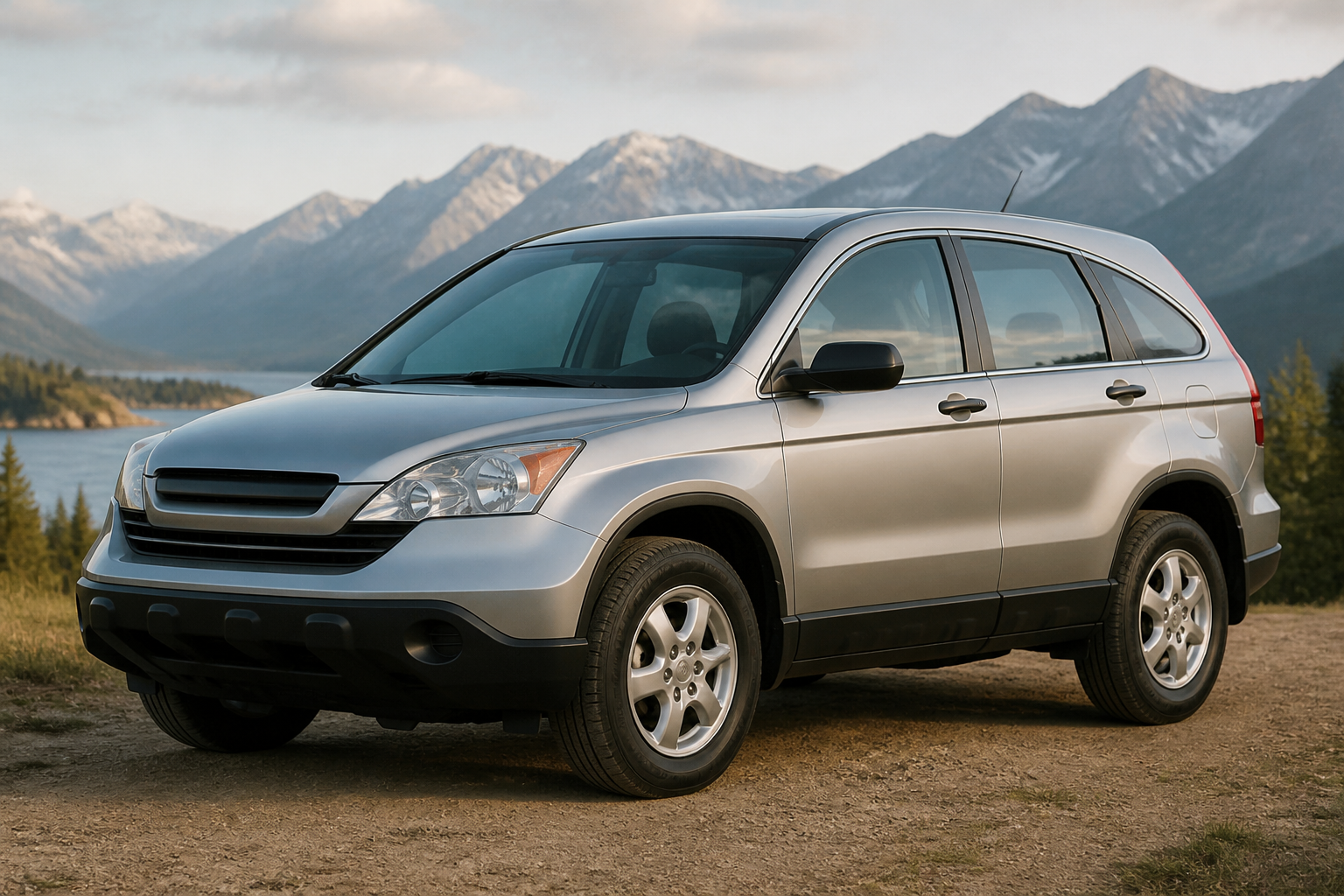
This generation featured a more upscale design with a top-hinged tailgate and a 2.4-liter engine producing 166 horsepower, later increased to 180 hp in 2010. It became America's top-selling SUV during this period, offering a comfortable ride and practical features.
Engines and key features
2.4-liter four-cylinder engine; 166 hp (2007–2009); 180 hp (2010–2011)
Strengths
Upscale design; comfortable ride; reliable performance.
Trade-offs
Some models may have rear trailing-arm frame corrosion; check for signs of rust.
Common issues to investigate
Potential rear frame corrosion; inspect undercarriage for rust, especially in salt-belt regions.
Used-car shopping tips
Inspect the undercarriage for rust; verify maintenance records; consider models with the higher horsepower engine for improved performance.
Fourth Generation (2012–2016) 2012–2016
Overview
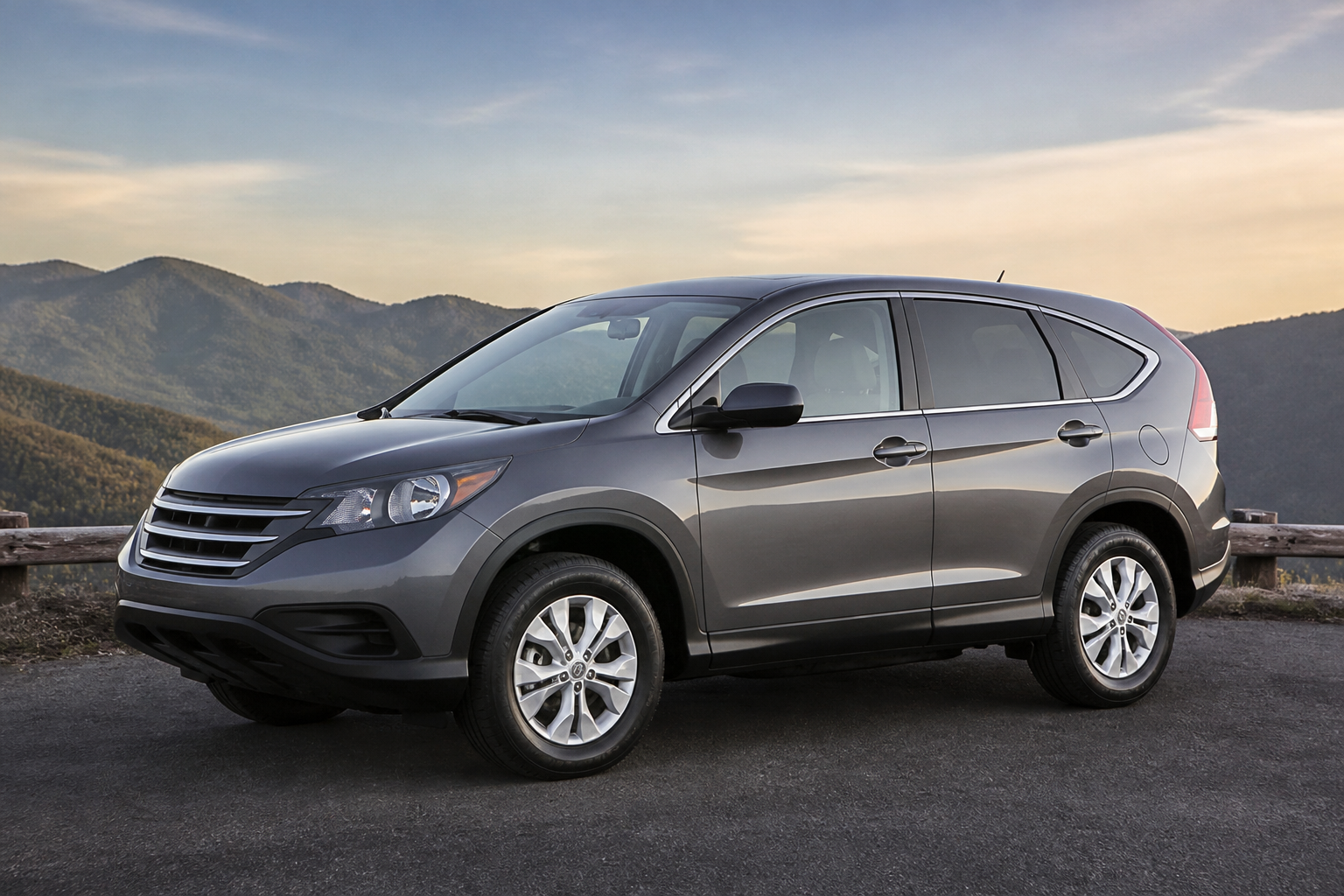
The fourth-gen CR-V introduced a more refined design with a 2.4-liter engine producing 185 horsepower. It featured a continuously variable transmission (CVT) starting in 2015, enhancing fuel efficiency. The interior received updates with improved materials and technology.
Engines and key features
2.4-liter four-cylinder engine; 185 hp (2012–2014); 185 hp (2015–2016)
Strengths
Refined design; improved fuel efficiency; updated interior.
Trade-offs
Some models may have oil dilution issues with the turbocharged engine; check for signs of oil contamination.
Common issues to investigate
Potential oil dilution in turbo models; inspect for oil contamination and verify maintenance history.
Used-car shopping tips
For turbo models, check for oil dilution issues; verify maintenance records; consider non-turbo models if concerned about this issue.
Fifth Generation (2017–2022) 2017–2022

Overview
The fifth-gen CR-V introduced a turbocharged 1.5-liter engine producing 190 horsepower, offering a balance of power and efficiency. In 2020, the CR-V Hybrid was introduced, combining a 2.0-liter engine with electric motors for a combined 212 horsepower. The interior featured modern technology and safety features.
Engines and key features
1.5-liter turbocharged four-cylinder engine; 190 hp (2017–2019); 2.0-liter hybrid engine; 212 hp (2020–2022)
Strengths
Turbocharged engine offers good performance; introduction of hybrid model; modern technology and safety features.
Trade-offs
Some early turbo models experienced oil dilution issues; hybrid models may have higher maintenance costs.
Common issues to investigate
Potential oil dilution in early turbo models; verify maintenance records and check for oil contamination.
Used-car shopping tips
For turbo models, check for oil dilution issues; verify maintenance records; consider hybrid models for better fuel efficiency.
Sixth Generation (2023–present) 2023–present
Overview
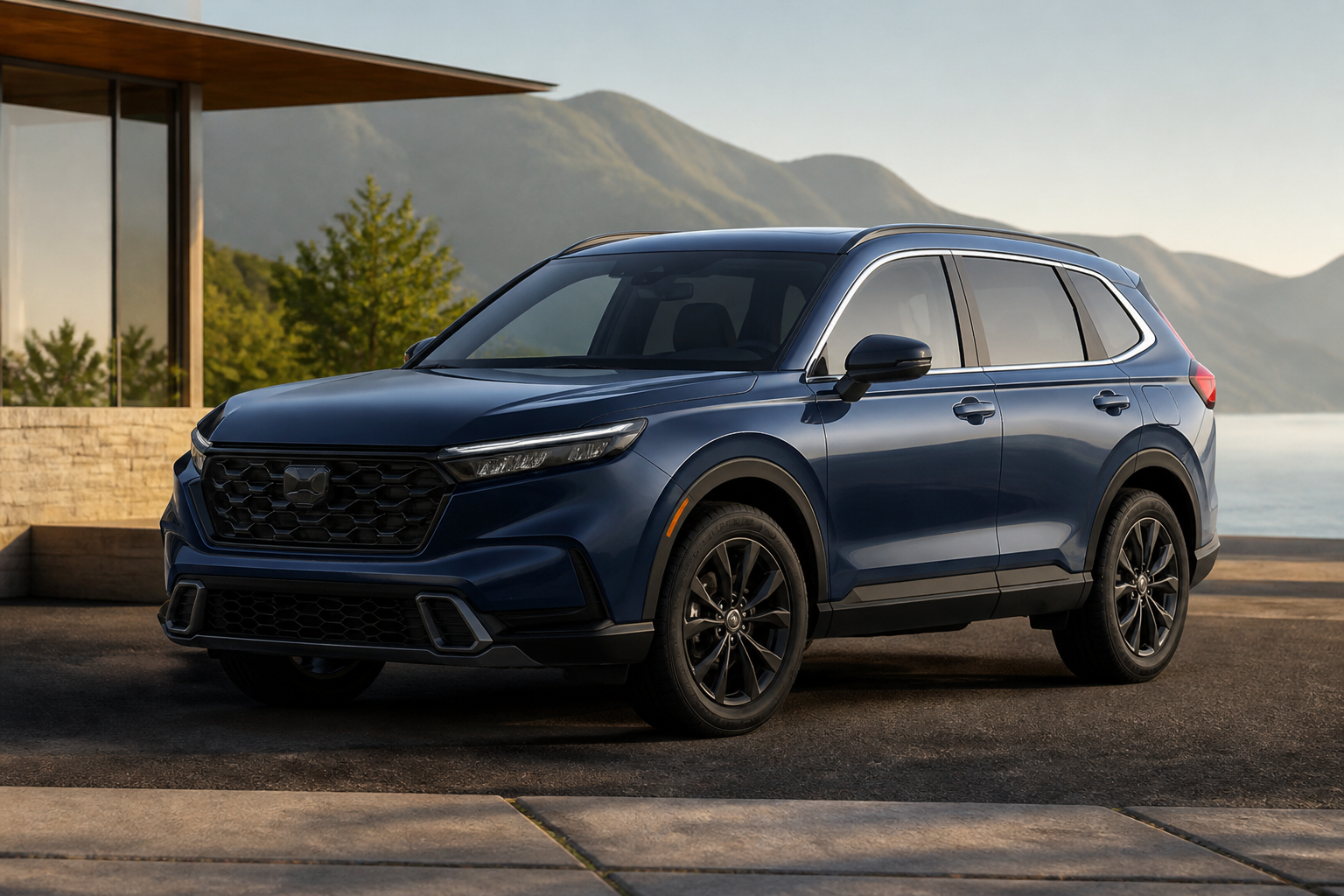
The sixth-gen CR-V features a larger body with a 1.5-liter turbocharged engine producing 190 horsepower and a 2.0-liter hybrid engine producing 204 horsepower. It offers a spacious interior with advanced technology and safety features, including a nine-inch touchscreen on upper trims. The TrailSport Hybrid trim was introduced for 2026, adding off-road capabilities.
Engines and key features
1.5-liter turbocharged four-cylinder engine; 190 hp (2023–present); 2.0-liter hybrid engine; 204 hp (2023–present)
Strengths
Modern design; advanced technology and safety features; hybrid option for better fuel efficiency.
Trade-offs
Higher purchase price compared to earlier models; hybrid models may have limited availability.
Common issues to investigate
No major issues reported; verify vehicle history and maintenance records.
Used-car shopping tips
Consider hybrid models for better fuel efficiency; verify vehicle history and maintenance records; check for availability of desired trim levels.
Frequently asked questions
What does CR-V stand for?
Honda states that 'CR-V' stands for 'Comfortable Runabout Vehicle.'
Which CR-V years should you avoid?
Some early turbocharged models (2017–2018) experienced oil dilution issues. It's advisable to check for oil contamination and verify maintenance records for these models.
Where is the Honda CR-V built?
CR-Vs for North America are built in East Liberty, Ohio; Greensburg, Indiana; and Alliston, Ontario.
What mpg does the CR-V Hybrid get?
The 2027 CR-V Hybrid is EPA-rated at 40 mpg combined with front-wheel drive and 37 mpg with all-wheel drive.
Does the CR-V have a third row?
No, the CR-V is a five-seat compact SUV; Honda does not offer a third-row seating option for this model.
How much can a Honda CR-V tow?
The current 1.5 turbo can tow 1,500 lb and the hybrid can tow 1,000 lb, with the right equipment.
Final buying advice
The Honda CR-V has consistently evolved to meet the needs of compact SUV buyers, offering a blend of reliability, practicality, and modern features. When considering a used CR-V, it's crucial to assess the vehicle's condition, review maintenance records, and be aware of any model-specific issues to ensure a satisfying ownership experience.
Research sources
Sources used during AI-assisted research. Verify claims against the linked material before publication.
View research sources 12 links
Research and verification
Editorial draft: Confirm model years, powertrain details, recalls, and safety claims with primary sources before publishing. Check individual VINs using NHTSA (U.S. vehicles) and review service records and independent inspection findings.